Introduction
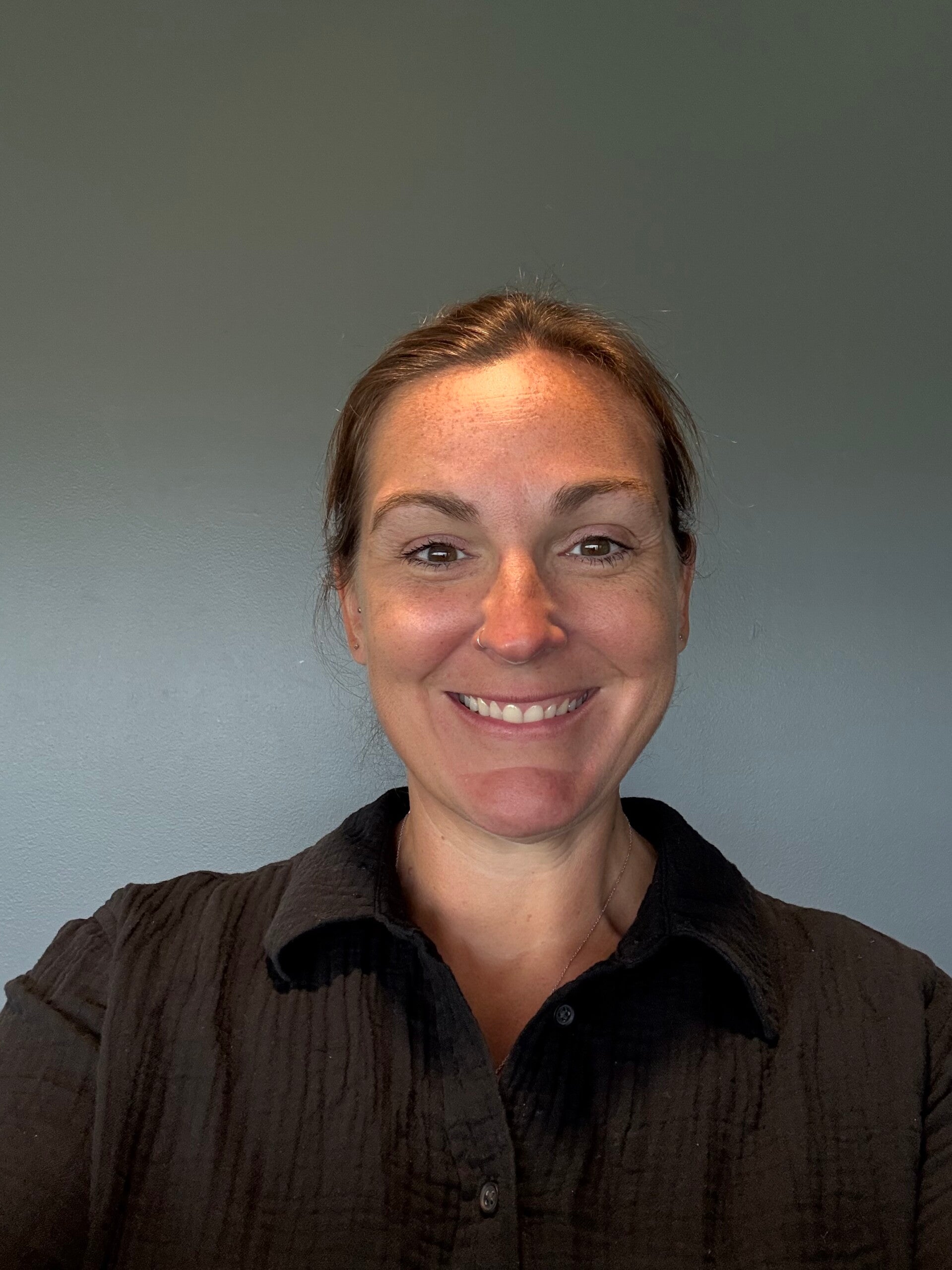
Welcome to my Mathematical Mindset Teaching and Learning Plan! My name is Shanna Lewis, and I am an elementary educator who believes every child is capable of becoming a successful mathematics learner. My goal is to create a classroom where students feel safe taking risks, asking questions, and learning from mistakes. I believe mathematics should be engaging, hands-on, and connected to real-life experiences so that students develop confidence, perseverance, and a lifelong love of learning. Thank you for visiting my website as we work together to support every child's mathematical growth.
My Mathematics Learning Experiences
Throughout my K-12 education, mathematics was one of my more challenging subjects. One memory that stands out is feeling nervous when I was asked to solve problems in front of the class. I often worried about making mistakes, which sometimes prevented me from participating. Looking back, I realize that my confidence was affected more than my actual ability.
A positive memory was working with teachers who used manipulatives, visual models, and real-world examples to explain mathematical concepts. These experiences helped me understand that mathematics is more than memorizing formulas—it is about making sense of numbers and solving problems. Those lessons increased my confidence and looking back I see the importance of using multiple instructional strategies to meet the needs of different learners. These experiences motivate me to create a classroom where every student feels supported and encouraged to develop a positive mathematical mindset.

My Glows
Glows as a Mathematics Learner
- I enjoy solving real-world mathematical problems and making connections between mathematics and everyday life.
- I am persistent and willing to continue practicing difficult concepts until I understand them.
Glow Related to My Mathematical Mindset
- I now recognize that mathematical ability grows through effort, practice, and learning from mistakes rather than being something people are simply born with.

My Grows
Grow as a Mathematics Learner
- I would like to become more confident when solving unfamiliar or complex mathematical problems without second-guessing myself.
Grow Related to My Mathematical Mindset
- I want to continue building confidence in my own mathematical thinking so I can model perseverance and a growth mindset for my future students.

Mathematics Instruction
Current research emphasizes that effective mathematics instruction focuses on developing conceptual understanding, procedural fluency, problem-solving skills, reasoning, and mathematical communication rather than memorization alone (Van de Walle et al., 2023). Teachers are encouraged to provide meaningful learning experiences that allow students to explore mathematical ideas, justify their thinking, collaborate with peers, and apply mathematics to authentic situations. Recent instructional shifts also emphasize student-centered learning, productive struggle, multiple solution strategies, and rich mathematical discourse.
Equity is an essential component of mathematics education because every student deserves access to high-quality instruction, rigorous learning opportunities, and appropriate support regardless of background, language, culture, or ability. When students experience equitable instruction, they are more likely to develop confidence and view themselves as capable mathematicians. A positive mathematical mindset encourages students to view mistakes as valuable learning opportunities, persist through challenges, and believe their mathematical abilities can improve with effort and effective instruction (Nuttall, 2017). As I continue through this course, I will expand this section by adding information about mathematics standards, evidence-based instructional practices, assessment strategies, and effective teaching pedagogy.

My Mathematics Teaching Philosophy
I believe every student is capable of learning mathematics when provided with high expectations, meaningful support, and engaging learning experiences. My goal is to create a classroom where students feel safe taking risks, asking questions, and learning from their mistakes. I want students to understand that making errors is a natural part of learning and that perseverance is often more important than finding the correct answer immediately. Rather than focusing solely on memorizing procedures, I want my students to develop conceptual understanding, critical thinking skills, and confidence in solving problems.
As an elementary teacher, I plan to use a variety of instructional strategies to meet the diverse learning needs of my students. I will incorporate manipulatives, visual models, technology, mathematical discussions, cooperative learning, and real-world problem-solving opportunities to help students make meaningful connections. I also believe that asking open-ended questions and encouraging students to explain their reasoning helps deepen understanding and builds mathematical communication skills.
Developing a positive mathematical mindset will be one of my highest priorities. I will consistently encourage students to use the word "yet" when discussing challenges and celebrate effort, persistence, and growth rather than focusing only on correct answers. I also recognize that I must continue developing my own mathematical mindset by reflecting on my instructional practices, seeking professional learning opportunities, and learning from both successes and challenges.
Ultimately, I want to be the kind of mathematics teacher who inspires curiosity, builds confidence, and helps every student believe they are capable of succeeding in mathematics. By creating an inclusive, supportive, and engaging learning environment, I hope my students will leave my classroom with the skills, confidence, and perseverance needed for future mathematical success.
Strategies and resources
Discover effective teaching strategies and valuable resources to foster a positive mathematical mindset in your classroom. Coming soon!
Community resources
Connect with a network of educators, share insights, and find support within our growing community. Coming soon!
Blog
Stay updated with the latest trends, tips, and personal reflections on mathematical mindset teaching and learning. Coming soon!
References
Nuttall, E. (2017, December 14). Growth mindset: Going beyond answer-getting. National Council of Teachers of Mathematics. https://my.nctm.org/blogs/emily-nuttall/2017/12/14/growth-mindset-going-beyond-answer-getting
Van de Walle, J. A., Karp, K. S., & Bay-Williams, J. M. (2023). Elementary and middle school mathematics: Teaching developmentally (11th ed.). Pearson.
Strategies and resources
Discover effective teaching strategies and valuable resources to foster a positive mathematical mindset in your classroom. Coming soon!
Community resources
Connect with a network of educators, share insights, and find support within our growing community. Coming soon!
Blog
Stay updated with the latest trends, tips, and personal reflections on mathematical mindset teaching and learning. Coming soon!
Create Your Own Website With Webador